
Rwenzori Mountains National Park Hiking
Rwenzori Mountains National Park Hiking
Discover the Majestic Trails of Rwenzori Mountains National Park: A Complete Hiking Guide
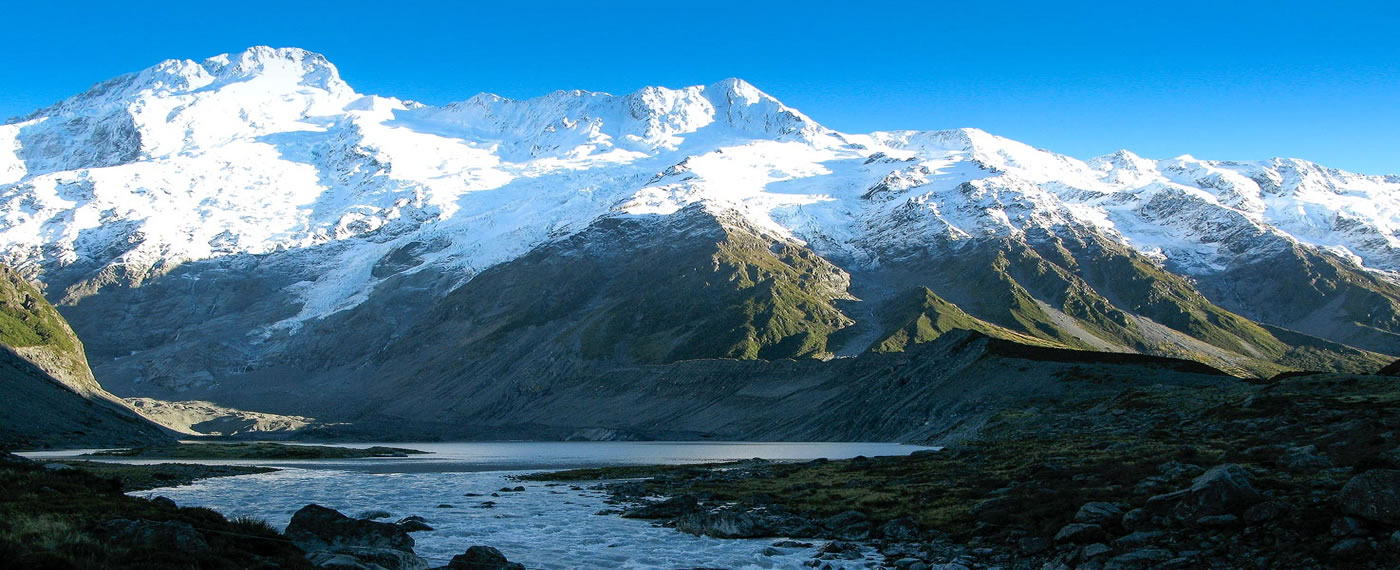
The Rwenzori Mountains National Park is one of Africa’s most captivating and lesser-known hiking destinations. Nestled in western Uganda along the border with the Democratic Republic of Congo, this UNESCO World Heritage Site offers an unparalleled trekking experience through glaciers, alpine meadows, bamboo forests, and diverse ecosystems. Known as the “Mountains of the Moon,” the Rwenzori range is home to Africa’s third-highest peak—Mount Stanley—towering at 5,109 meters.
In this comprehensive guide, we’ll explore everything you need to know about hiking in Rwenzori Mountains National Park, from trail options and best seasons to gear recommendations and conservation efforts. Whether you’re a seasoned mountaineer or an adventurous traveler, this guide will help you plan an unforgettable journey into one of the most pristine wildernesses on the continent.
Why Hike the Rwenzori Mountains?
The Rwenzori Mountains are not just a hiking destination—they are an experience of nature’s raw beauty. Unlike the more commercialized Mount Kilimanjaro or Mount Kenya, the Rwenzoris offer a quieter, more immersive trekking adventure.
Unique Features of the Rwenzori Mountains:
- Glacial Peaks: Home to several snow-capped summits, including Mount Stanley, Mount Speke, and Mount Baker.
- Diverse Vegetation Zones: From tropical rainforest to alpine meadows and moss-draped heather forests.
- Rich Biodiversity: Over 70 mammal species and 217 bird species, many of which are endemic.
- Cultural Significance: Sacred to the Bakonzo people, who have lived in harmony with the mountains for centuries.
For those seeking a challenging and rewarding trek, the Rwenzori Mountains are a hidden gem waiting to be explored.
Top Hiking Routes in Rwenzori Mountains National Park
The park offers several hiking routes, each catering to different skill levels and time constraints. The two main trails are the Central Circuit Trail and the Kilembe Trail.
1. Central Circuit Trail
This is the most popular and traditional route, starting from Nyakalengija. It typically takes 7–9 days to complete and offers a circular path through the heart of the park.
Highlights:
- Bujuku Valley
- Elena Hut (base camp for Mount Stanley)
- Margherita Peak (5,109m)
- Stunning alpine lakes
Explore the Central Circuit Trail
2. Kilembe Trail
Managed by Rwenzori Trekking Services, this route starts from Kilembe near Kasese. It is slightly longer but offers more scenic diversity and better acclimatization.
Highlights:
- Nyamwamba Valley
- Weismann’s Peak
- Margherita Peak via Elena Hut
- Rich birdlife and flora
Book the Kilembe Trail Adventure
Best Time to Hike the Rwenzoris
The Rwenzori Mountains receive high rainfall, making timing crucial for a successful trek.
Ideal Hiking Seasons:
- December to February: Dry season with clearer skies and better trail conditions.
- June to August: Another dry window, though slightly colder at higher altitudes.
Avoid:
- March to May and September to November: These months bring heavy rains, muddy trails, and reduced visibility.
Check Weather and Seasonal Updates
What to Pack for a Rwenzori Hike
Preparation is key. The terrain is rugged, and the weather can change rapidly.
Essential Gear List:
- Waterproof hiking boots
- Layered clothing (base, insulation, waterproof)
- Sleeping bag (rated for sub-zero temperatures)
- Trekking poles
- Headlamp with extra batteries
- First aid kit
- Water purification tablets
- Energy snacks and hydration packs
Optional but Helpful:
- Gaiters for muddy trails
- Camera with waterproof case
- Altimeter or GPS device
- Lightweight crampons (for glacier sections)
Download Our Complete Packing Guide
Wildlife and Biodiversity
The Rwenzori ecosystem is a biodiversity hotspot. The park’s isolation and varied altitudes have created unique habitats.
Mammals:
- Rwenzori duiker
- Forest elephant
- L’Hoest’s monkey
- Chimpanzees (rare sightings)
Birds:
- Rwenzori turaco
- Handsome francolin
- Strange weaver
- Blue-headed sunbird
Conservation and Sustainability
The Rwenzori Mountains are under threat from climate change, deforestation, and human encroachment. Conservation efforts are vital to preserve this natural wonder.
Ongoing Initiatives:
- Community-based tourism
- Reforestation projects
- Glacier monitoring
- Anti-poaching patrols
How You Can Help:
- Travel with eco-conscious tour operators
- Follow Leave No Trace principles
- Support local guides and porters
- Donate to conservation NGOs
How to Book Your Rwenzori Hiking Safari
Planning your trek with a reputable operator ensures safety, comfort, and a richer experience. Turkana Wildlife Safaris offers customized hiking packages that include guides, porters, permits, and accommodation.
Why Choose Turkana Wildlife Safaris?
- Experienced mountain guides
- Eco-friendly practices
- Tailored itineraries
- 24/7 customer support
Book Your Rwenzori Adventure Today
FAQs
1. How difficult is it to hike the Rwenzori Mountains?
The trek is considered challenging due to steep ascents, high altitudes, and unpredictable weather. However, with proper acclimatization and a good support team, it is achievable for fit hikers.
Learn More About Trek Difficulty
2. Do I need a permit to hike in the park?
Yes, a hiking permit is required and is included in most guided tour packages. Independent trekking is not allowed due to safety concerns.
3. What is the highest point in the Rwenzori Mountains?
The highest peak is Margherita Peak on Mount Stanley, standing at 5,109 meters. It is the third-highest point in Africa.
4. Can I combine a Rwenzori hike with a wildlife safari?
Absolutely. Many travelers combine the trek with gorilla trekking in Bwindi Impenetrable Forest or a Queen Elizabeth National Park safari.
5. Is altitude sickness a concern?
Yes, especially above 3,000 meters. Proper acclimatization, hydration, and gradual ascent can help mitigate the risks.
Conclusion
Hiking in the Rwenzori Mountains National Park is a transformative journey through one of Africa’s most untouched landscapes. From glacial peaks to lush valleys, the park offers an adventure unlike any other. With the right preparation, a reliable guide, and a spirit of exploration, you’ll uncover the magic of the Mountains of the Moon.
Ready to embark on your Rwenzori adventure?
👉 Contact Turkana Wildlife Safaris to start planning your once-in-a-lifetime trek today!